Madison Heights, MI · Licensed & Insured (248) 817-6913 Request a Bid

Commercial Construction

Multi-family renovation in Metro Detroit

Apartments, townhomes and mixed-use buildings across Metro Detroit: renovations, modifications, unit turns and common-area work, done inside occupied buildings for owners and property managers.

What We Do

We renovate buildings, we don't build new ones

Worth saying at the top, because it saves everybody a phone call: AGP doesn't do ground-up multi-family. No empty sites, no new buildings. We renovate and modify buildings that already exist and already have residents in them, and we work direct for the people who own and manage them, never as a sub to another contractor.

That's a narrower business than most GCs advertise, and it's narrow on purpose. Occupied-building renovation is a different job from new construction: the schedule is built around residents, not around trades, and the contractor who's good at one is often visibly bad at the other. We picked the one we're good at.

Across Metro Detroit that means common-area and amenity renovations, unit turn programs that hand apartments back rent-ready on a repeatable clock, exterior and envelope repairs, code and accessibility work, and unit modifications when a floor plan needs to change. Because we self-perform seven trades: painting, drywall, roofing, framing, electrical, HVAC and plumbing, a unit turn doesn't wait on seven different vendors to each find a slot.

The regional timing favors this work. Metro Detroit's existing apartment stock is mostly decades old and now competes for renters against new construction going up near the inner-ring downtowns. Older buildings win that fight on renovated units and common areas, or they don't win it.
Scope

Multi-family work we take on

Modify

Unit modifications

Changing what a unit is: combining or splitting apartments, moving walls, reworking kitchens and baths around a new layout, and the electrical, HVAC and plumbing that has to move with them.

Reposition

Common areas & amenities

Lobbies, corridors, leasing offices, fitness rooms and club spaces. The square footage that actually rents units, rebuilt while residents keep using the building around the work.

Turn

Unit turns & renovations

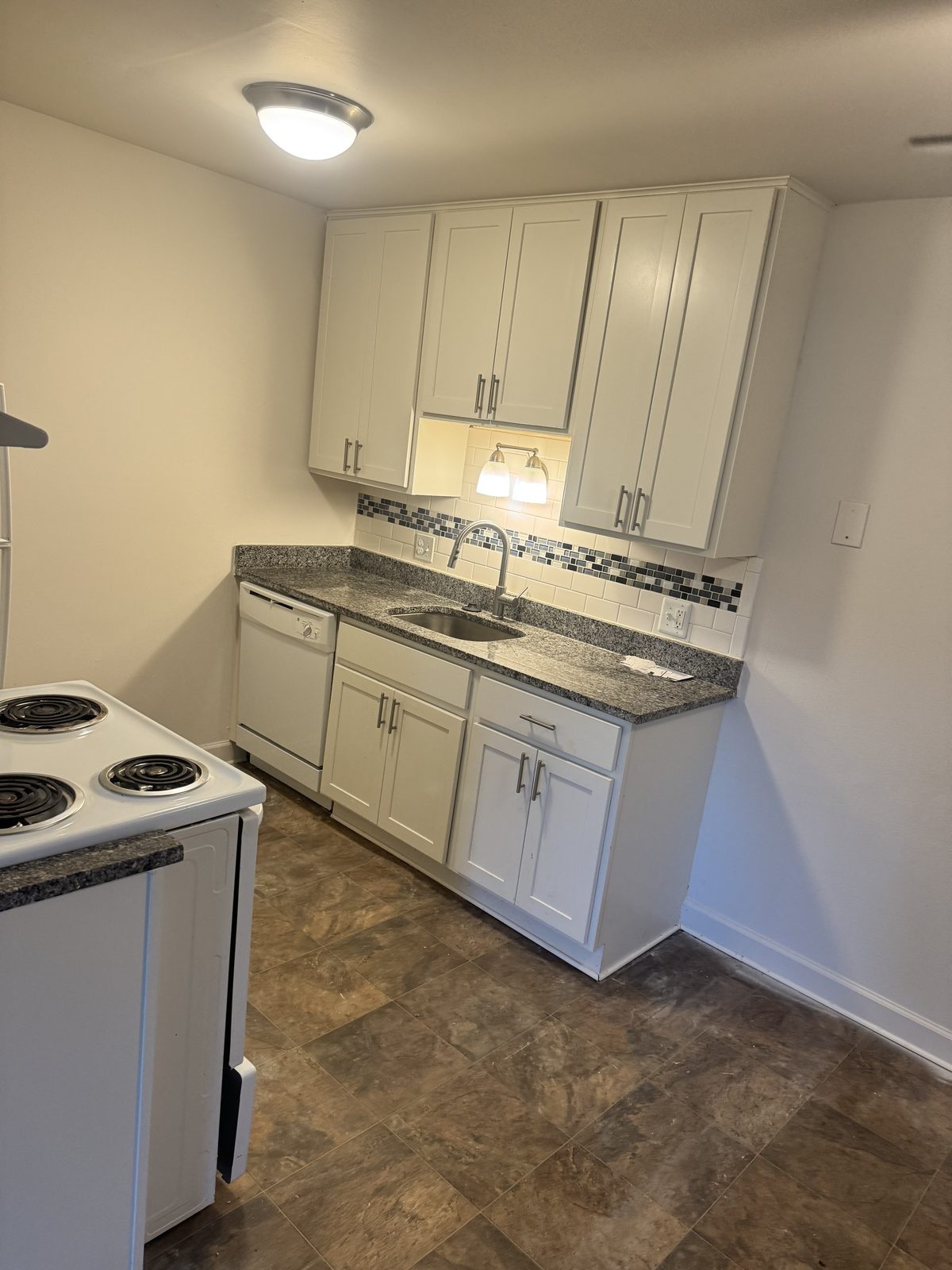
Kitchens, baths, flooring and paint on a fixed per-unit scope and price, batched by building or stack so vacancy loss stays measured in days instead of months.

Envelope

Exterior repairs

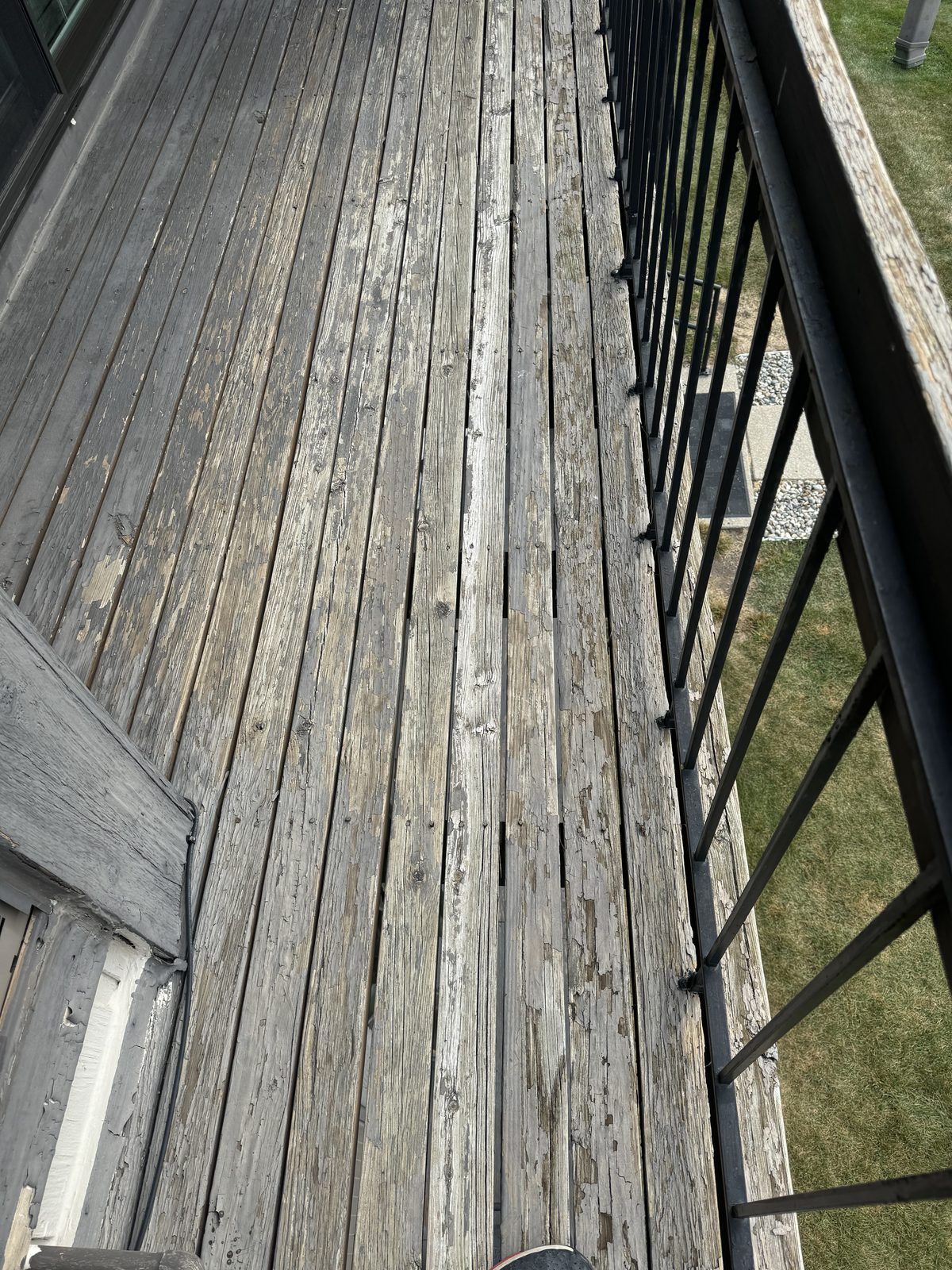
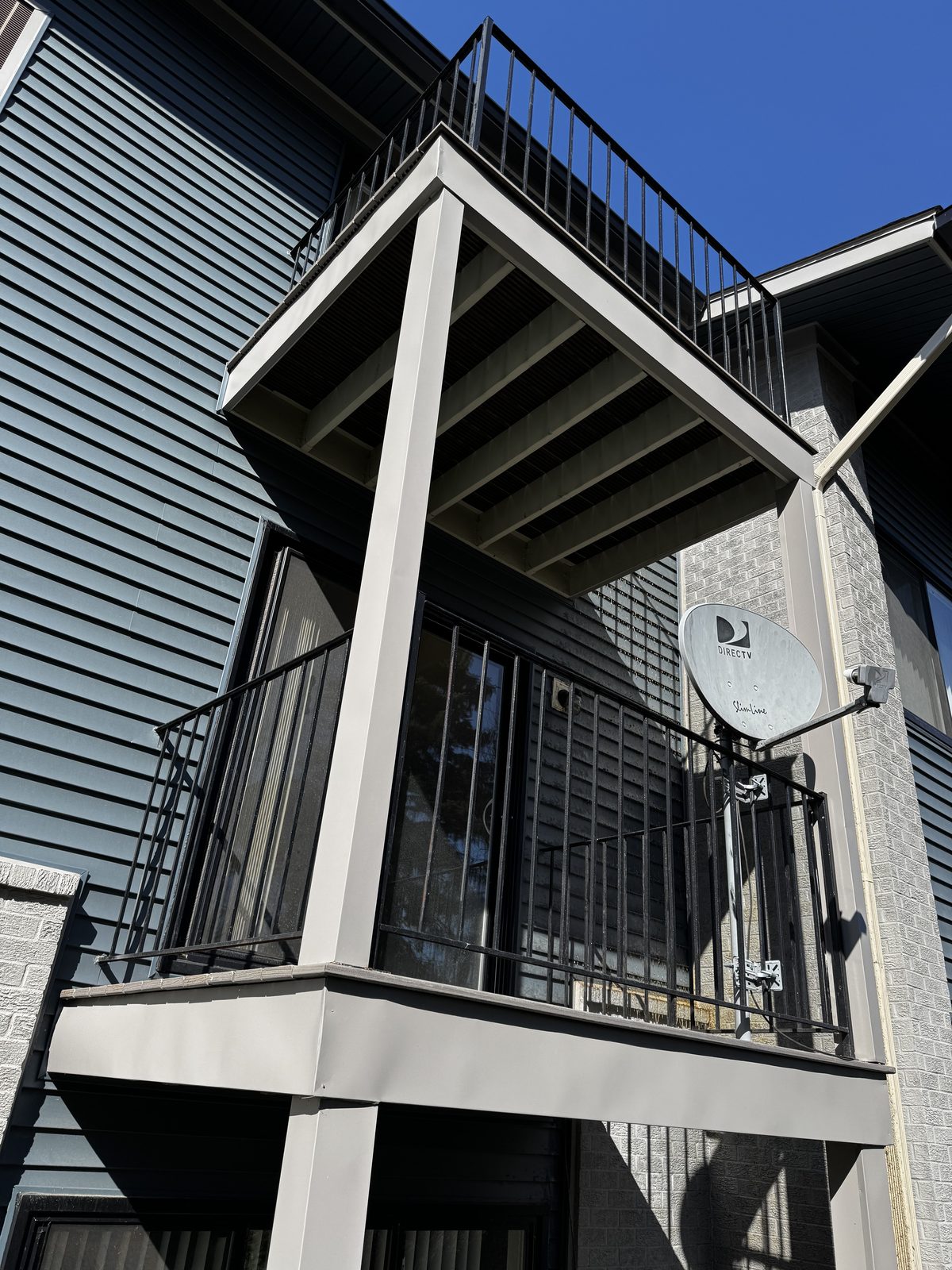
Siding and panel replacement, balcony and railing repairs, sealants and flashing. The water-management work that decides what your building costs to own in year fifteen.

Compliance

Code-driven work

Fire-rated assemblies, egress corrections, accessibility upgrades: built to the listing and documented for the inspector, the lender and the insurance carrier.

Mixed-Use

Ground-floor commercial

Retail and office shells under the residential floors, delivered to landlord condition: a natural pairing with our retail build-out work.

Rebuilt balconies and stair tower on an apartment building

The Real Questions

Occupied buildings are a logistics job first

Renovating a building people live in is mostly about respect and sequencing: notices that go out before the drills start, water shutoffs measured in scheduled hours instead of surprise afternoons, corridors that get cleaned every day, and crews that understand a resident's hallway is not a job site after 5 PM. We put the resident-communication plan in the schedule itself. Your property manager sees what's happening two weeks out, every week, and residents hear it from the office before they hear it through the wall.

Paperwork that behaves

On financed capital projects, the documentation is part of the product. We submit schedules of values a lender's inspector can walk, lien waivers that arrive without being chased, and change documentation that explains itself. Owners hire us twice for the boring reason that the paperwork was clean the first time and nobody had to chase it.

Unit turns as a program, not a scramble

One-off turns burn money in mobilization. Batched turns (same scope, same finishes, stacked schedule) get cheaper and faster with each building. We price turns per unit against a written finish standard so you can forecast a 40-unit season, not just next month's vacancies.

The finish schedule is the budget

Multi-family budgets are made and lost in the finish schedule, because every decision multiplies by the unit count. A cabinet line that costs $400 more per kitchen is a rounding error on one unit and a six-figure line on a 150-unit building. We price finish packages at two or three levels against real supplier quotes (not allowances that quietly grow) so the owner chooses with the multiplication already done. Durability gets the same math: the flooring that survives move-outs is cheaper than the one that has to be replaced at every turn, and we'll show which one that is.

Scattered portfolios and standing crews

For owners with buildings across multiple cities, the win is a standing relationship: one contractor who already knows the buildings, holds the finish standards, and can route a crew to a turn in Madison Heights on Tuesday and a corridor repaint in Troy on Thursday. Mobilization gets cheaper when the crew never really leaves your portfolio.

FAQ

Multi-family questions, answered straight

Do you work in occupied apartment buildings?

Yes. Most multi-family renovation is occupied work. Residents get written notice before disruptive work, utility shutoffs are scheduled and short, corridors are cleaned daily, and crews keep working hours the leases can live with. The communication plan is part of the construction schedule, not an afterthought.

Can you price unit turns as a program?

Yes. We price per unit against a written finish standard (cabinets, counters, flooring, paint, hardware) so a 20-turn season is twenty predictable numbers, not twenty negotiations. Batching turns by stack or building drops both cost and days-vacant.

How do you handle bank draws and inspections?

With a schedule of values the inspector can verify on a walk, monthly draw packages with lien waivers included, and change orders documented when they happen. Clean paperwork is a deliverable; lenders remember it.

How long does a unit turn take?

A standard cosmetic turn (paint, flooring, hardware, punch repairs) runs days; a full renovation with kitchen and bath replacement runs weeks. The honest number depends on the written scope, which is why we set it per finish standard up front and then hit it repeatedly. Vacancy loss is the real cost, so the schedule commitment matters more than the unit price.

Do you handle exterior work like siding and balconies?

Yes: siding and panel systems, balcony structure and railing repairs, sealants and flashing. Water management is where multi-family buildings win or lose long-term, so we treat the envelope as seriously as the amenity spaces.

Have a building, or a pro forma?

Bring us the drawings or just the deal. We'll price it like people who expect to be checked.

Request a Bid