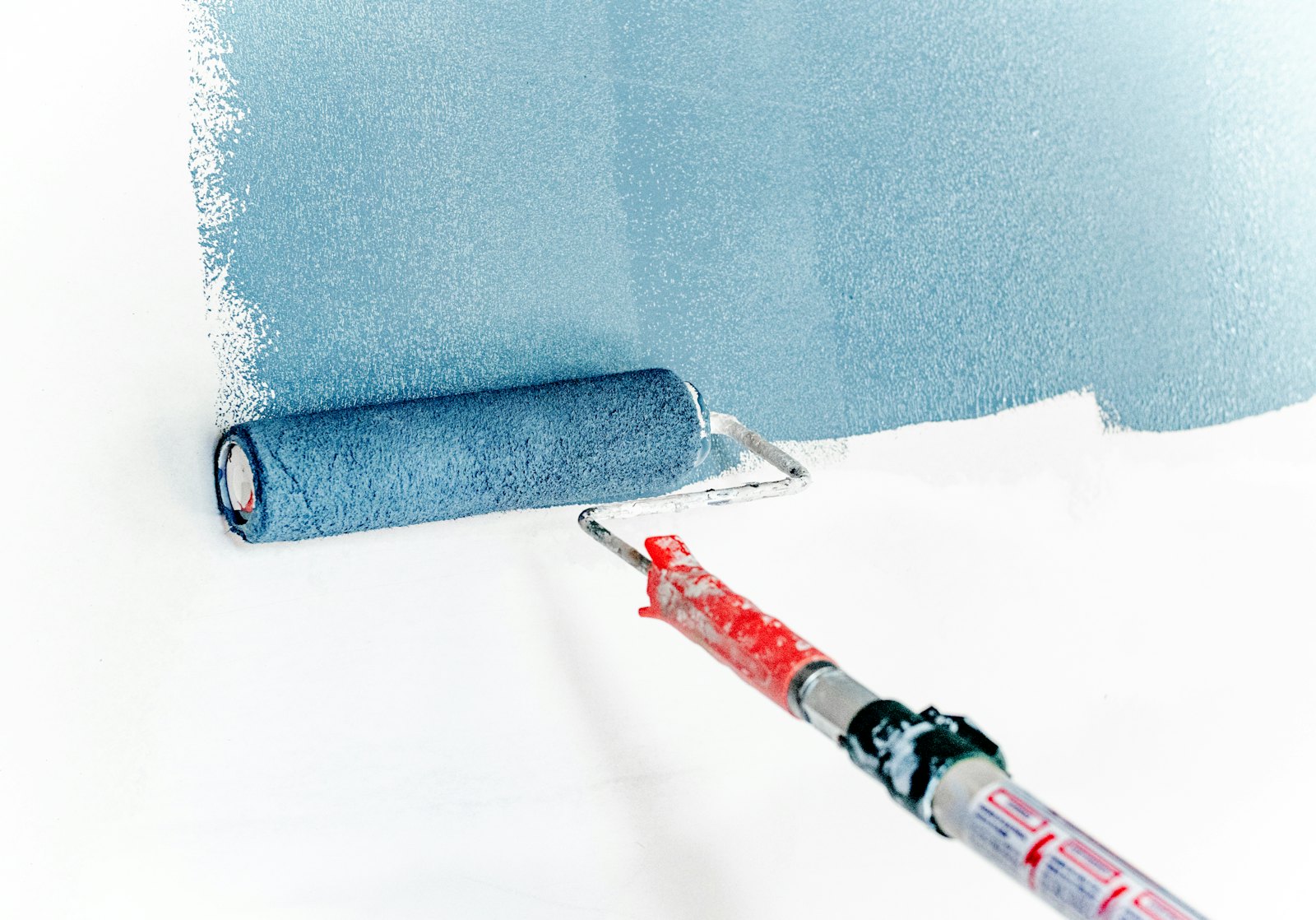
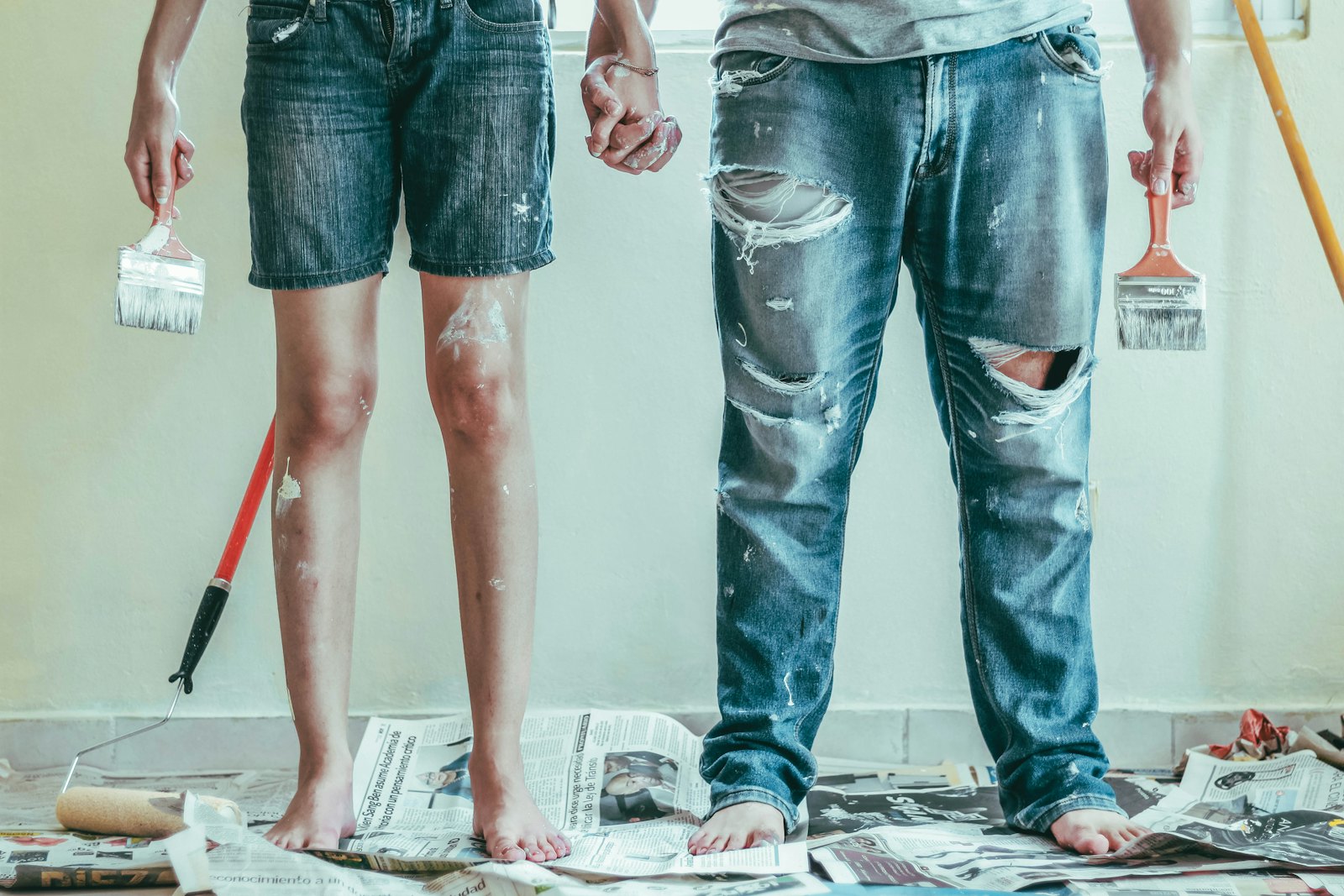
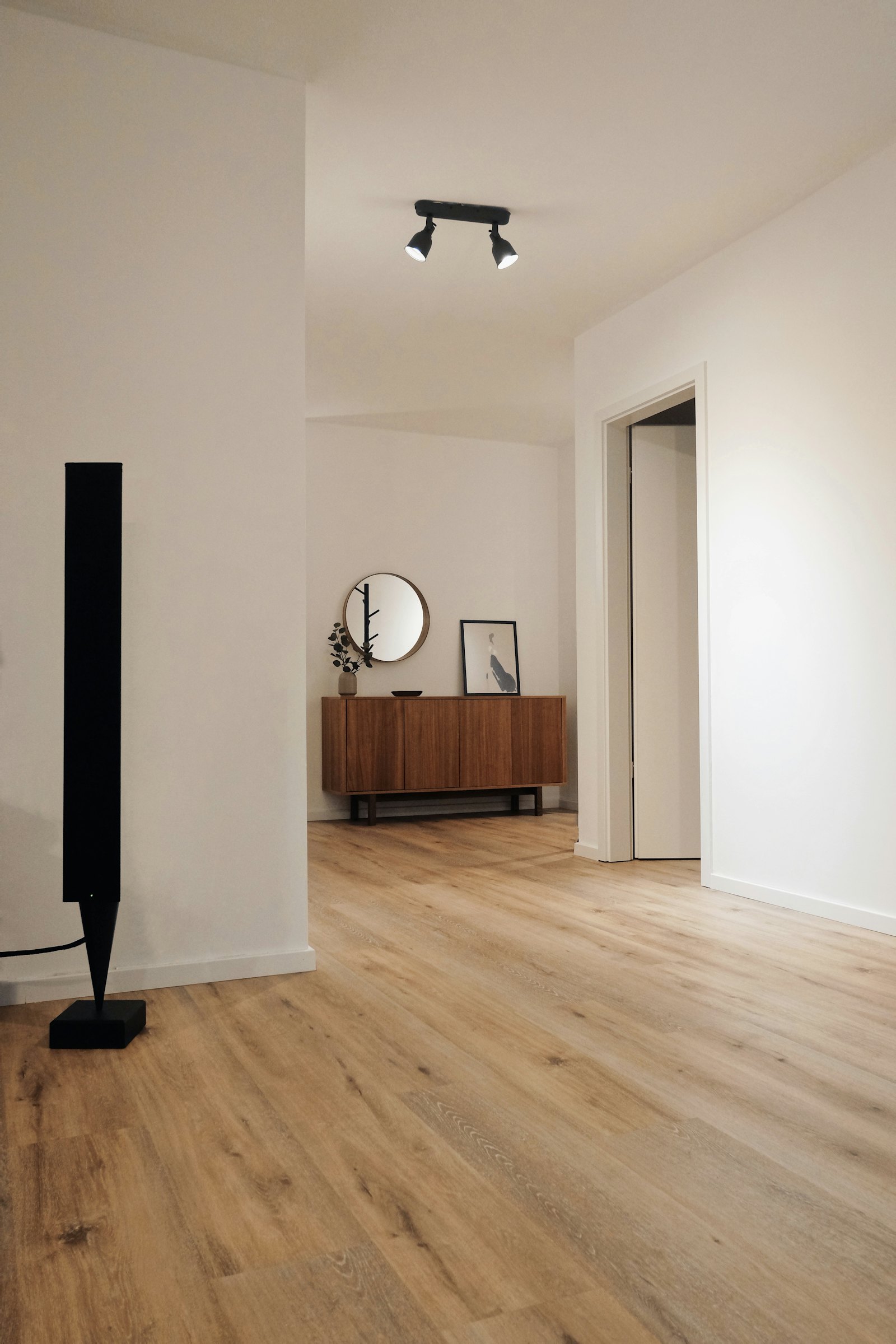
Most commercial painting happens in buildings that are open for business. The playbook that makes it invisible: nights and weekends for open areas, phased sections with clean daily handbacks, low-odor low-VOC products where people return in hours, and protection that treats your furniture and floors like they cost what they cost. The morning test is simple. Your staff should notice the color, not the project. That standard is enforced by a supervisor who walks the space before your first employee does.
Repaint cycles that protect the asset
Commercial interiors typically want repainting every 5 to 7 years: sooner for high-traffic corridors and customer-facing space, longer for private offices. Exteriors in Michigan run 7 to 10 years depending on substrate, exposure and how well the last job was prepped. A standing repaint program (a section of the building each year at agreed pricing) keeps the whole property looking maintained without a big-bang budget year.
Floor coatings: the honest caveats
Epoxy floors fail from bad prep and bad moisture, not bad product. We grind rather than acid-etch, test slabs for moisture before quoting a system, and give you real cure windows: including the ones that mean a weekend without forklifts. If a slab isn't a good candidate, we say so before you've paid for a coating that peels.
Sheen and spec, chosen for the traffic
Product choice is mostly about where the wall lives. Corridors and door frames want scrubbable finishes that survive carts and cleaning crews; open offices want flat sheens that hide substrate sins under afternoon light; back-of-house and plant walls want coatings picked for washdowns, not looks. We spec Sherwin-Williams and write it out wall type by wall type (product, sheen, coat count) so the building gets durability where it's abused and economy where nobody touches the wall for five years.